Ask any seasoned investor in the twin cities where the durable money sits, and the conversation almost always drifts toward commercial property. Residential plots may capture the headlines, but shops, offices, and mixed-use commercial land quietly generate the rental cheques that fund the next purchase. A well-chosen commercial asset can pay you every month while it appreciates, which is a combination residential holdings rarely deliver with the same consistency.
That said, commercial property is a different animal. The rules of thumb that guide a home buyer can mislead a commercial one, because footfall, frontage, and tenant demand follow logic of their own. This article breaks down how to think about commercial land in Rawalpindi and Islamabad, what separates a cash-generating corner from a dead one, and how to protect yourself before you commit capital to a business address.
What Makes Commercial Land Fundamentally Different
A residential buyer is chasing comfort and community; a commercial buyer is chasing traffic and turnover. That single distinction reshapes everything. A plot that would feel noisy and exposed to a family is often exactly what a retailer craves, because visibility converts into sales. The value of a commercial site is tied to how many people pass it, how easily they can stop, and how many businesses want to be seen there.
This is why two plots of identical size, separated by a single street, can carry wildly different price tags. The one on the main road with parking and a hard corner commands a premium, while the interior plot struggles to attract serious tenants. Learning to read these micro-differences is the real skill of commercial investing.
Reading Footfall, Frontage, and Access
Frontage is the width of your plot that faces the road, and in commercial terms it is close to sacred. A wide frontage means more display, more signage, and more doors, all of which raise the rent a business will happily pay. Depth matters far less than that face to the street.
Access is the second pillar. Can delivery vehicles reach the rear? Is there room for customers to pull over? Does the traffic actually slow down enough for a driver to notice a shop? A site that scores well on footfall but fails on access will disappoint, because businesses need customers who can conveniently stop, not just glance while speeding past.
Where the Opportunities Sit in Rawalpindi
Rawalpindi’s commercial map is being redrawn as new societies mature and old bazaars reach saturation. The freshest returns tend to appear where a growing residential population has outrun the shops available to serve it. When thousands of new homes come online without a proportionate supply of retail space, the value of nearby Commercial Plots in Rawalpindi tends to climb steadily as businesses scramble to reach those residents.
The lesson is to follow the people. Track where families are moving, then look for commercial land positioned to serve their daily needs. A pharmacy, a grocery, a clinic, and a café will always chase a dense catchment, and the landlord who owns their address collects the reward.
Why Islamabad Commands a Premium
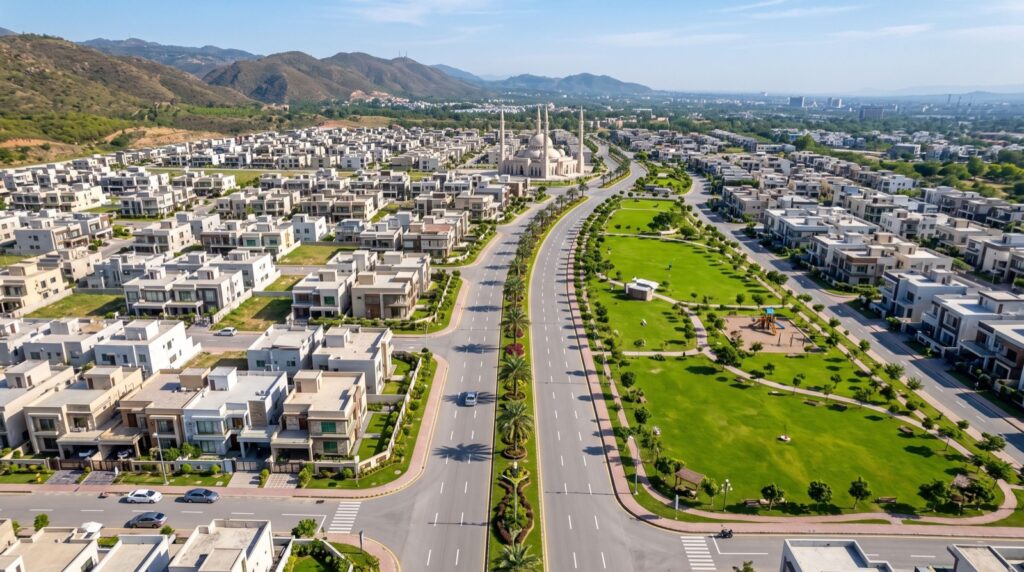
Islamabad’s planned structure gives its commercial zones a discipline that many other markets lack. Designated sectors, controlled construction, and a wealthier tenant pool mean that commercial addresses here often behave more like blue-chip assets. Rents are stickier and vacancies shorter in the better-located blocks.
For investors seeking stability over speculation, well-placed Commercial Plots in Islamabad can anchor a portfolio with dependable income. The entry price is higher, but so is the quality of the tenant you can expect, and quality tenants renew, pay on time, and treat the property with care.
Calculating Real Returns, Not Wishful Ones
It is easy to fall in love with a headline rental figure and forget the costs that eat into it. Before you buy, model the true yield: annual rent minus maintenance, taxes, periods of vacancy, and any financing cost, divided by the total you paid. That honest number is what you actually earn, and it is often lower than the brochure implies.
Also factor in the appreciation you reasonably expect from the location’s trajectory. A modest yield in a rapidly maturing area can beat a fat yield in a stagnant one, because the capital growth quietly compounds on top of the rent.
Due Diligence That Protects Your Capital
Commercial deals carry more moving parts than residential ones, so the checks must be tighter. Confirm the zoning permits your intended use, verify that the title is clean and transferable, and check whether any commercialisation fees remain outstanding. A plot marketed as commercial that has not been formally commercialised can become an expensive headache.
It also helps to bring in people who inspect these properties for a living. Engaging reputable service experts to assess structural readiness, utility capacity, and access before you close can surface problems that a casual visit would never reveal. Their assessment often pays for itself many times over.
Structuring the Purchase Wisely
How you buy matters almost as much as what you buy. Negotiate a payment plan that matches your cash flow, and insist on clear penalties if the seller or developer fails to deliver possession on time. Get every commitment about frontage, corner status, and permitted floors written into the agreement rather than left to memory.
If you are buying into a phased project, understand exactly which phase your plot sits in and when the surrounding commercial activity is expected to ignite. Buying too early in an isolated phase can leave your asset idle for years, while buying into an active corridor puts a tenant in your unit far sooner.
Key Takeaways
- Commercial value follows footfall and frontage, not comfort, so the best sites are often the busiest.
- Rawalpindi rewards investors who follow new residential growth to under-served retail catchments.
- Islamabad’s planned zones offer steadier income and higher-quality tenants at a premium price.
- Model real yield after costs and vacancies, and weigh it against the location’s growth trajectory.
- Verify zoning, title, and commercialisation status, and lean on professionals to inspect before you close.
Final Thoughts
Commercial property is where patience meets cash flow. Done carelessly, it ties up capital in a plot no business wants; done well, it hands you a monthly income stream that grows as the neighbourhood around it fills in. The winners are rarely the fastest buyers. They are the ones who study traffic, read frontage, confirm the paperwork, and buy where the crowd is heading rather than where it has already been. Treat every commercial purchase as the acquisition of a small business address, and let demand, not hope, decide your price.